Cheese Blintzes vs. Crepes: Unraveling the Delicious Distinctions
At first glance, a delicate, golden-brown wrapper filled with creamy sweetness might seem like a simple crepe. But when that wrapper is precisely folded and pan-fried to a subtle crisp, you're likely enjoying the heartwarming delight of a cheese blintz. While both are thin, pancake-like creations, cheese blintzes and crepes possess distinct identities rooted in their origins, preparation, and typical serving styles. If you've ever wondered about the true differences or are looking to master a superb
cheese blintzes recipe, you've come to the right place.
These culinary cousins, often enjoyed for breakfast, brunch, or dessert, share a foundational similarity: a thin, eggy pancake. However, it's their cultural heritage, filling, and final preparation steps that truly set them apart. Let's dive into the delicious details and discover what makes each of these treats uniquely special.
What Exactly Are Cheese Blintzes? More Than Just a Filled Pancake
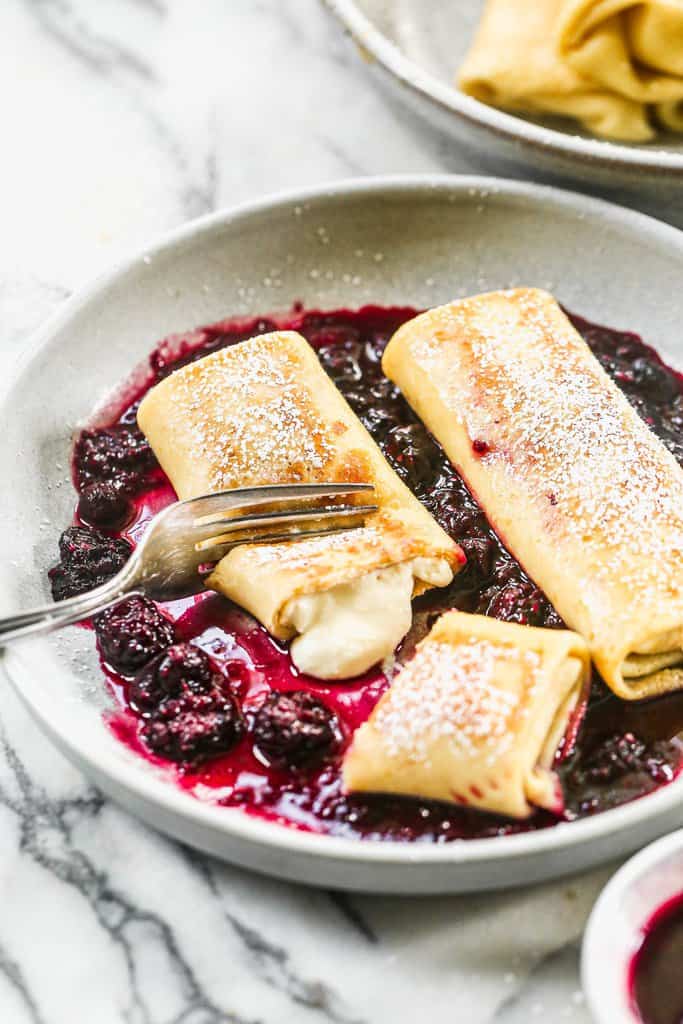
Imagine a tender, slightly sweet pancake, not quite as thick as an American pancake, but not as utterly flat as some French crepes. Now, envision it generously filled with a rich, tangy-sweet cheese mixture, meticulously folded into a neat parcel, and then gently pan-fried until golden brown. That, in essence, is a cheese blintz.
Originating from Eastern European Jewish cuisine, cheese blintzes are a cherished dish, often gracing tables during holidays like Shavuot and other special celebrations. They are inherently *stuffed* and *rolled* – this is a non-negotiable characteristic. Unlike their French counterparts which can be served plain, blintzes arrive pre-filled, making each bite a symphony of textures and flavors.
Let's break down the delightful components of a classic cheese blintz:
*
Flavor Profile: The wrapper, similar to a crepe, offers a subtle sweetness and an eggy richness. This perfectly complements the star of the show: the filling. Traditionally, this is a sweet, tangy concoction of farmer’s cheese, often enriched with egg yolk, sugar, and sometimes a hint of vanilla or lemon zest. Variations might include cream cheese, ricotta, or a blend, creating a smooth, melt-in-your-mouth experience that balances sweetness with a pleasant, mild tang.
*
Texture: A well-made blintz boasts a captivating textural journey. The outer "pancake" skin is fork-tender, with a slight, almost imperceptible crispness from the final pan-frying. Inside, the filling is exquisitely creamy and smooth, dissolving on the tongue. It's this harmonious blend of soft, slightly chewy exterior and luscious, sweet interior that makes blintzes so addictive.
*
Serving Occasions: While perfect for a lazy Sunday brunch, cheese blintzes are also a delightful dessert or a comforting breakfast. They evoke feelings of warmth and family, often becoming a hands-on activity where everyone helps with rolling and topping. If you're looking for an impressive yet surprisingly simple brunch dish, mastering a
cheese blintzes recipe is a fantastic endeavor.
Crepes: The Versatile Canvas of French Cuisine
Across the culinary landscape, French crepes stand as a testament to elegant simplicity and incredible versatility. A crepe is, at its core, a very thin, flat pancake, typically larger in diameter than a blintz wrapper. Unlike blintzes, crepes are a blank canvas, celebrated for their ability to be either sweet or savory, and almost always served *unfilled* from the pan, with fillings and toppings added afterward.
Key characteristics of crepes include:
*
Origin: Hailing from France, crepes are a staple of French cuisine, enjoyed throughout the day.
*
Preparation: Crepe batter is usually very thin, allowing it to spread quickly and evenly over a hot pan or crepe maker to create an incredibly delicate, paper-thin "pancake." They are cooked briefly on each side until just set and lightly golden, without the subsequent pan-frying step characteristic of blintzes.
*
Serving Style: This is where crepes truly diverge. They can be folded into triangles or rolled, then topped or filled with an astonishing array of ingredients. Sweet options range from simple sugar and lemon juice, Nutella and bananas, to fresh berries and whipped cream. Savory crepes might feature ham and Gruyere, mushrooms and béchamel sauce, or spinach and feta. The choice is entirely up to the diner.
The beauty of a crepe lies in its ability to adapt. It can be a humble street food snack or an elegant dessert, showcasing its filling without adding another layer of cooking to the "pancake" itself post-assembly.
The Real Difference: Stuffed, Fried, and Cultural Identity
While a blintz undeniably starts with a crepe-like pancake, the journey from batter to final dish takes two very different paths. Understanding these distinctions clarifies why they aren't interchangeable, despite their visual similarities.
1.
The Act of Stuffing: This is the most glaring difference. Blintzes are *always* stuffed before serving. Their identity is intrinsically linked to their sweet, creamy cheese filling. Crepes, however, are made to be filled *after* cooking, offering a freedom that blintzes do not.
2.
The Second Fry: A critical step for blintzes is the final pan-frying. After being filled and meticulously folded, blintzes are brushed with butter and pan-fried on both sides until beautifully golden and slightly crispy. This extra step imparts a distinct texture and depth of flavor that is absent in a typical crepe, which is usually served immediately after its initial cooking. This re-frying ensures the filling warms through and the outer layer develops a delightful crust.
3.
Cultural Context and Tradition: Blintzes carry the rich heritage of Jewish culinary traditions, often associated with celebrations and communal meals. Their specific cheese filling reflects this heritage. Crepes, on the other hand, are a fundamental part of French everyday life and gastronomy, a versatile vehicle for countless flavors.
4.
Filling Variety: While some blintzes might feature fruit or chocolate, the quintessential blintz is defined by its sweet cheese filling. Crepes, by contrast, embrace an almost infinite range of sweet and savory fillings and toppings, limited only by imagination.
So, while you *can* use a crepe recipe to make the wrapper for your blintzes, the final dish transforms dramatically once you introduce the filling, folding, and crucial second pan-fry.
Crafting the Perfect Cheese Blintzes Recipe: A Step-by-Step Guide
Making homemade cheese blintzes might seem intricate, but it's a wonderfully rewarding process that requires minimal ingredients and a bit of patience. The result is a dish far superior to anything store-bought, perfect for a memorable brunch or special treat. For a detailed guide, check out
Whip Up Sweet & Creamy Cheese Blintzes in 40 Minutes.
Here’s a simplified breakdown to illustrate the process:
1.
Prepare the Crepes: The foundation of any great blintz is a thin, flexible crepe. A simple batter usually consists of milk, flour, eggs, sugar, a touch of oil or melted butter, and a pinch of salt. The key is to achieve a silky-smooth batter, then cook them thinly and evenly on a lightly oiled pan, yielding about a dozen 10-12 inch crepes. Don't worry if the first one isn't perfect – it's often called the "test crepe"!
2.
Make the Filling: This is where the magic happens. The classic
cheese blintzes recipe calls for farmer's cheese, which provides a lovely tang. Combine it with egg yolk (for richness and binding), sugar (for sweetness), and often a touch of vanilla or melted butter. For a richer, smoother filling, you can also blend farmer's cheese with cream cheese or ricotta. Mix until thoroughly combined and smooth.
3.
Assemble the Blintzes: Lay a crepe flat. Place a couple of generous tablespoons of the sweet cheese filling near the bottom edge, leaving ample space on the sides. Fold the bottom edge over the filling, then fold in the sides, and finally, roll the crepe upwards, creating a neat, compact parcel. Place it seam-side down on a tray as you repeat with the remaining crepes and filling.
4.
Pan-Fry for Golden Perfection: Just before serving, melt some butter in a skillet over medium heat. Place the blintzes seam-side down first, then pan-fry them on both sides until they achieve a beautiful golden-brown color and a slightly crisp exterior. This step is crucial; it heats the filling through and adds that irresistible texture.
Serving Your Delectable Cheese Blintzes
Once your blintzes are perfectly golden and warm, the fun truly begins with toppings! While delicious on their own, the right accompaniments elevate them to an extraordinary experience. For more inspiration, explore our
Homemade Sweet Cheese Blintzes: Your Essential Brunch Guide.
Consider these winning suggestions:
*
Sweet Syrups: A drizzle of pure maple syrup, golden honey, or even sweetened condensed milk adds another layer of indulgence.
*
Fresh Fruit: Fresh berries are an absolute must! Raspberries, blueberries, and sliced strawberries provide a burst of freshness and a beautiful color contrast. Sliced peaches or cherries are also fantastic.
*
Jams and Preserves: The tang of raspberry or apricot jam pairs exquisitely with the sweet cheese filling. A dollop of your favorite fruit preserve is a simple yet effective addition.
*
Sour Cream: This is a classic Eastern European pairing. A generous spoonful of cool, tangy sour cream creates a delightful counterpoint to the sweet, rich blintz, balancing the flavors perfectly.
*
Unique Toppings: Explore options like a creamy, crunchy poppy seed filling for an authentic Slavic touch, or a dusting of powdered sugar for simple elegance.
Gathering the family to choose their favorite toppings and customize their own plate of blintzes adds to the joy of this dish, making it a truly interactive and memorable meal.
Conclusion: Celebrating the Unique Charm of Cheese Blintzes
While crepes offer a world of versatile possibilities, cheese blintzes stand proudly as a distinct culinary creation with a rich history and a specific, irresistible charm. The intentional stuffing, the creamy sweet cheese filling, and the crucial final pan-fry set them apart, transforming a simple pancake into a comforting, celebratory dish. Now that you understand the real differences, we encourage you to try your hand at a classic
cheese blintzes recipe. Whether for a special brunch, a comforting breakfast, or an elegant dessert, these sweet, tender, and perfectly pan-fried parcels are sure to delight and become a cherished addition to your culinary repertoire.